
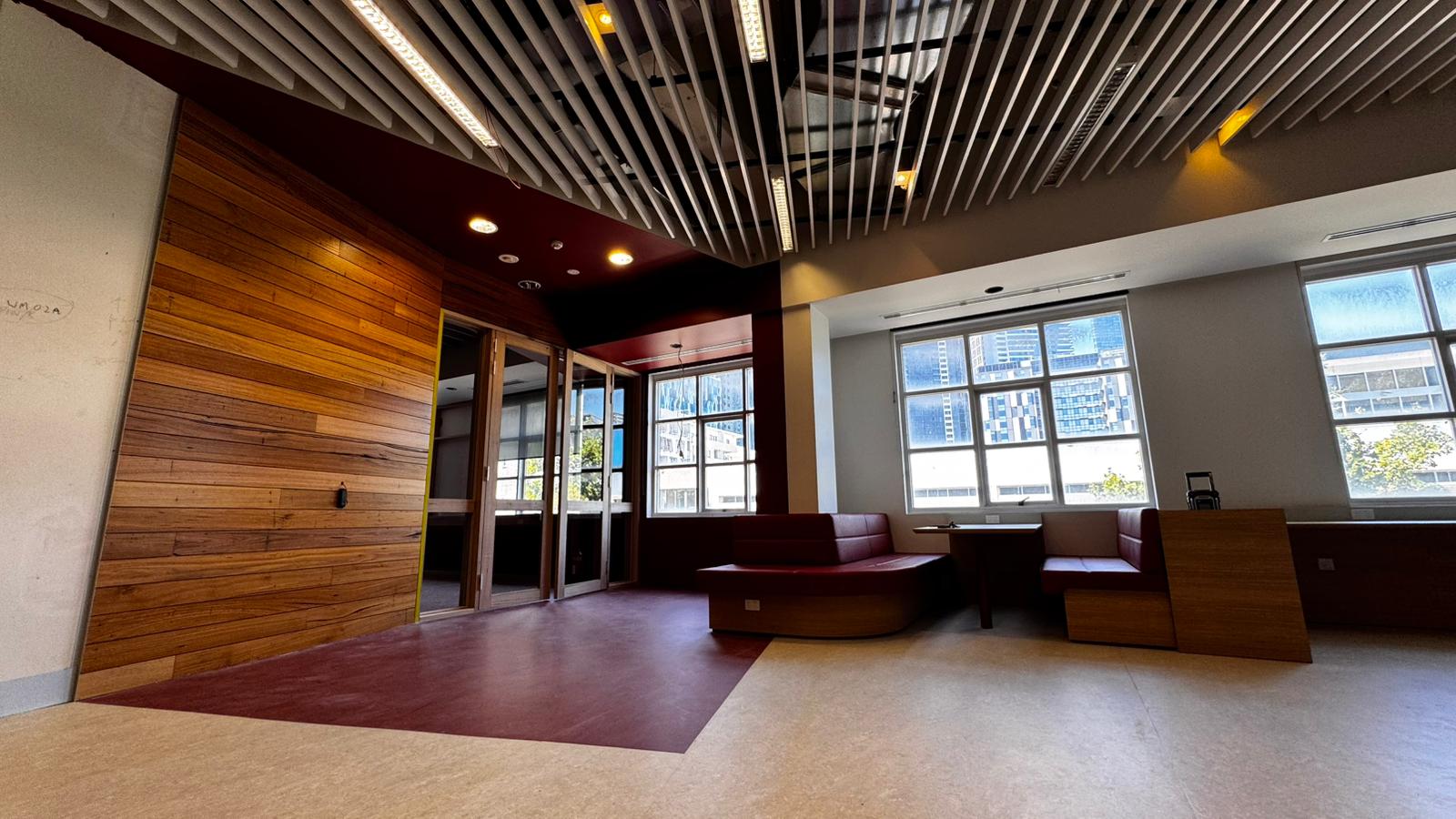
Interior and exterior painting use different preparation methods, paint formulations, and application considerations because each surface is exposed to different environmental conditions.
Painting can significantly change the appearance and condition of a property, but interior and exterior painting are not interchangeable processes. Although both involve applying paint to a prepared surface, the products, preparation, application methods, and finishing considerations can vary considerably.
Understanding the difference between interior and exterior painting can help homeowners choose the right approach for each area of their property. It can also make it easier to plan a painting project and understand why professional painters may recommend different products and preparation methods for indoor and outdoor surfaces.
What Is Interior Painting?
Interior painting refers to painting surfaces inside a property. Common interior surfaces include walls, ceilings, doors, trims, hallways, bedrooms, living areas, kitchens, and other indoor spaces.
Interior environments are generally protected from direct sunlight, rain, wind, and other outdoor exposure. Because of this, interior paints are formulated with different priorities.
Interior painting often focuses on:
- Appearance
- Colour selection
- Washability
- Smooth finishes
- Odour considerations
- Surface preparation
- Durability against everyday household use
Homeowners may choose different finishes depending on the room and the type of surface being painted.
Professional house painters Melbourne can help homeowners determine suitable painting products and preparation methods for different interior surfaces.
What Is Exterior Painting?
Exterior painting involves surfaces that are exposed to outdoor conditions.
These may include:
- Exterior walls
- Fascias
- Eaves
- Doors
- Window trims
- Garages
- Fences
- Other outdoor surfaces
Exterior surfaces need to withstand changing weather conditions, sunlight, moisture, temperature changes, dirt, and other environmental exposure.
Because of these conditions, exterior paint is generally formulated with outdoor durability in mind.
A professional painting contractor Melbourne can assess the condition of exterior surfaces before recommending an appropriate preparation and painting process.
Interior and Exterior Paints Are Not the Same
One of the most important differences is the formulation of the paint.
Interior paints are designed primarily for indoor environments. They may prioritize smooth application, appearance, washability, and resistance to everyday household wear.
Exterior paints need to handle environmental exposure. They may be formulated to provide better resistance to moisture, sunlight, temperature changes, and other outdoor conditions.
Using the wrong type of paint can affect the appearance and durability of the finished surface.
For this reason, homeowners should select paint according to the surface and environment rather than choosing a product based only on colour.
Differences in Surface Preparation
Preparation is an important part of both interior and exterior painting.
However, the preparation process can be different.
Interior preparation may involve:
- Cleaning walls
- Removing dust
- Filling holes
- Repairing cracks
- Sanding uneven areas
- Removing loose paint
- Protecting furniture and flooring
Exterior preparation may involve:
- Removing dirt
- Cleaning weathered surfaces
- Scraping loose paint
- Repairing damaged areas
- Addressing surface deterioration
- Preparing timber or masonry
- Protecting nearby outdoor areas
Exterior surfaces typically require more consideration of weather exposure and existing surface conditions.
Interior Painting and Household Surfaces
Interior walls can accumulate marks, dust, fingerprints, and other signs of everyday use.
For this reason, the appropriate interior paint finish can depend on the room.
For example, a homeowner may consider factors such as:
- How frequently the surface is touched
- Whether the room experiences moisture
- How easily the surface needs to be cleaned
- Desired appearance
- Existing surface condition
A professional painting company can help identify suitable finishes for different indoor areas.
Homeowners looking for painting services Melbourne can consider professional guidance when planning an interior painting project.
Exterior Painting and Weather Exposure
Exterior surfaces are exposed to changing conditions throughout the year.
Sunlight can affect colour and surface appearance. Moisture can contribute to deterioration when surfaces are not properly protected. Temperature changes can also affect certain materials.
Because of this, exterior painting requires appropriate preparation and products.
Painting an exterior surface without addressing peeling, cracking, dirt, or other surface issues can affect the final result.
The Importance of Primer
Primer can be an important part of both interior and exterior painting.
Its use depends on the condition and type of surface.
Primer may help:
- Improve paint adhesion
- Create a more consistent surface
- Cover certain stains
- Prepare new materials
- Support a more uniform finish
Not every surface requires the same primer.
The correct product depends on the existing coating, substrate, condition, and type of paint being applied.
Differences in Paint Finishes
Interior and exterior projects may use different finishes depending on the surface and desired result.
Interior finishes can include options such as:
- Flat
- Matte
- Low sheen
- Satin
- Semi-gloss
- Gloss
The appropriate finish can depend on the room, surface, cleaning requirements, and appearance preferences.
Exterior finishes are selected with outdoor durability and the specific surface in mind.
A professional painter can help homeowners choose a finish that suits the intended application.
Weather Can Affect Exterior Painting
Weather is a major consideration for outdoor painting.
Rain, high humidity, strong winds, and unsuitable temperatures can interfere with preparation, application, and drying.
Exterior painting therefore requires careful planning around weather conditions.
Interior painting does not have the same direct exposure to outdoor weather, although ventilation and indoor environmental conditions can still affect the project.
Protection During Interior Painting
Interior painting requires careful protection of surrounding areas.
Furniture, floors, fixtures, windows, and other surfaces may need to be covered or protected before painting begins.
Good preparation helps reduce accidental paint splashes and keeps the work area organized.
Homeowners should also consider ventilation and allow painted surfaces to dry according to the manufacturer’s recommendations.
Exterior Painting Requires Broader Surface Protection
Exterior painting may require protection of landscaping, outdoor fixtures, windows, doors, walkways, and other nearby areas.
The surrounding environment can make exterior preparation more complex.
A professional painting team can establish an appropriate preparation process before applying paint.
This is one reason homeowners may choose professional painters Melbourne for larger exterior projects.
How Long Does Interior Paint Last?
The lifespan of an interior paint job can vary based on several factors.
These include:
- Paint quality
- Surface preparation
- Room usage
- Moisture exposure
- Cleaning frequency
- Application quality
- Existing surface condition
High-traffic areas may require attention sooner than areas that experience less use.
Proper preparation and suitable paint selection can contribute to a longer-lasting finish.
How Long Does Exterior Paint Last?
Exterior paint is affected by environmental conditions.
Factors that can influence longevity include:
- Sun exposure
- Moisture
- Weather conditions
- Surface material
- Previous coatings
- Preparation quality
- Paint quality
- Application technique
Regular inspection can help homeowners identify peeling, fading, cracking, or other signs that exterior surfaces may need maintenance.
Can Interior Paint Be Used Outside?
Interior paint is not generally designed for prolonged outdoor exposure.
Exterior surfaces require products formulated for environmental conditions such as sunlight, moisture, and temperature changes.
Using interior paint outside can lead to premature deterioration.
Homeowners should always check the manufacturer’s recommendations and select products specifically intended for the surface and environment.
Can Exterior Paint Be Used Inside?
Exterior paint should not automatically be used for interior surfaces.
Exterior products may have different formulations and characteristics than interior products.
The appropriate paint should be selected based on the intended environment, surface, ventilation requirements, and manufacturer guidance.
Choosing a Professional Painting Company
Selecting an experienced painting company can make the planning and preparation process easier.
Homeowners may want to consider:
- Experience
- Services offered
- Preparation process
- Surface assessment
- Paint recommendations
- Project scope
- Communication
- Reviews and references
A professional painting company Melbourne can help homeowners understand the differences between interior and exterior requirements before work begins.
When Should You Choose Interior Painting?
Interior painting may be appropriate when:
- Walls appear worn
- Colours need updating
- Surfaces have accumulated marks
- Rooms need a refreshed appearance
- Existing paint is peeling or damaged
- A property is undergoing renovation
The condition of the surface should be evaluated before painting begins.
When Should You Choose Exterior Painting?
Exterior painting may be appropriate when:
- Exterior paint is peeling
- Surfaces appear faded
- Cracks or surface deterioration are visible
- Exterior areas need maintenance
- A property needs an updated appearance
- Existing coatings are reaching the end of their useful life
Addressing preparation issues before painting can improve the overall result.
FAQs
1. What is the main difference between interior and exterior painting?
Interior painting is designed for surfaces protected from outdoor weather, while exterior painting must account for sunlight, moisture, temperature changes, and other environmental exposure.
2. Can the same paint be used indoors and outdoors?
Generally, paint should be selected according to its intended use. Interior and exterior products are formulated for different environments and surface conditions.
3. Does exterior painting require more preparation?
Exterior projects can require extensive preparation because surfaces may be exposed to dirt, moisture, peeling paint, weathering, and other environmental effects. The exact preparation depends on the surface condition.
4. How do I choose the right paint finish?
The appropriate finish depends on the surface, room, desired appearance, cleaning requirements, and environmental conditions. A professional painter can help determine suitable options.
5. Should I hire professional painters for interior and exterior projects?
Professional painters can help with surface preparation, product selection, application, and project planning. This can be particularly useful for larger or more complex painting projects.
Conclusion
Interior and exterior painting may appear similar, but they involve different products, preparation requirements, environmental considerations, and application techniques.
Interior painting generally focuses on appearance, durability against everyday household use, and suitable finishes for indoor surfaces. Exterior painting must provide protection against outdoor conditions such as sunlight, moisture, wind, and temperature changes.
Choosing the right paint for the intended environment is essential for achieving a durable and attractive finish. Proper preparation is equally important because painting over damaged or poorly prepared surfaces can affect the final result.
Homeowners planning a project can explore house painting services Melbourne and discuss their specific requirements with professional painters. With appropriate preparation, product selection, and application, both interior and exterior painting can provide a refreshed appearance and support the ongoing maintenance of a property.