
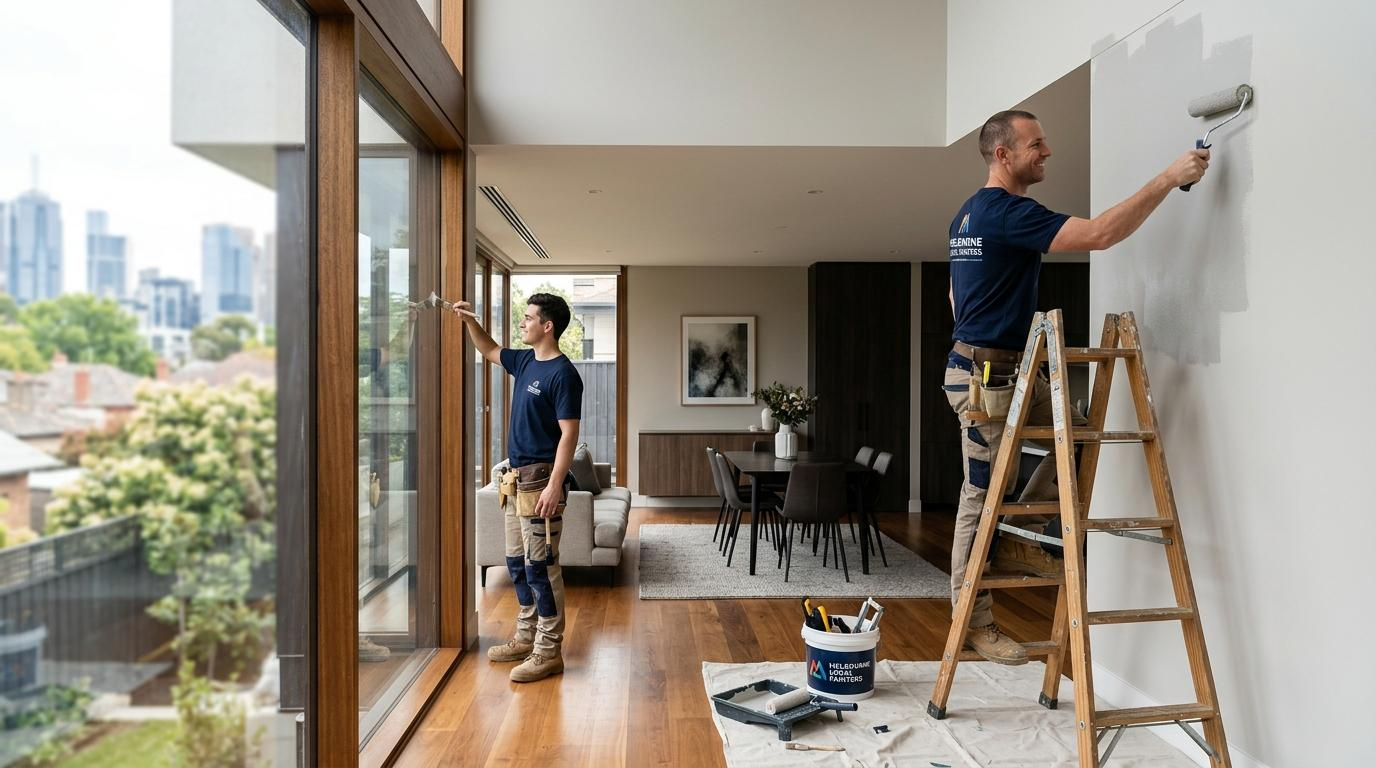
Proper preparation can help professional painters work more efficiently while creating a cleaner and more consistent finished surface.
Preparing a house before professional painters arrive can make the painting process more organized and help protect belongings and surrounding surfaces. While professional painters handle the technical aspects of surface preparation and paint application, homeowners can complete several simple preparation tasks before the project begins.
Good preparation starts with understanding what needs to be moved, cleaned, protected, repaired, or discussed before painting starts.
Whether the project involves one room or an entire property, preparing the space properly can make the process easier for everyone involved.
Create a Painting Preparation Checklist
Before the project begins, homeowners can create a simple checklist covering the areas that will be painted.
The checklist may include:
- Rooms being painted
- Walls and ceilings
- Doors
- Trims
- Cabinets if included
- Exterior surfaces if applicable
- Furniture that needs to be moved
- Decorations that need to be removed
- Access areas
- Specific surface concerns
Having a clear list helps ensure that the homeowner and painting team have the same understanding of the project.
Homeowners planning a larger project can contact painters Melbourne to discuss the scope of work before preparation begins.
Remove Small Items From the Painting Area
Small decorative items should generally be removed from surfaces that painters need to access.
This can include:
- Pictures
- Wall decorations
- Clocks
- Small shelves
- Decorative objects
- Hanging items
Removing these objects gives painters better access to the surfaces and reduces the risk of accidental damage.
It can also make it easier to identify areas that need repair or additional preparation.
Move Furniture Away From Walls
Furniture positioned against walls can make painting more difficult.
Where possible, homeowners can move furniture away from the walls being painted.
Depending on the project, furniture may be moved to another room or placed toward the centre of the room and protected appropriately.
Large or heavy furniture should not be moved without considering safety.
Professional painters can advise homeowners about how much access is needed around the surfaces being painted.
Protect Valuable Belongings
Valuable or delicate belongings should be placed somewhere safe before painting begins.
This may include:
- Artwork
- Electronics
- Decorative items
- Fragile objects
- Personal collections
- Small furniture
Removing valuable items from the work area can help protect them and give painters a clearer workspace.
Clear Wall Areas
Walls should be as accessible as possible.
Remove items that are attached to the walls if they are not included in the painting plan.
Homeowners should also identify anything that needs to remain in place.
Communicating these details before painting begins can help prevent confusion.
Clean the Surfaces
Clean surfaces can provide a better foundation for painting.
Dust, dirt, grease, and other contaminants can interfere with paint adhesion.
Depending on the surface, preparation may include removing dust and cleaning areas that have accumulated grime.
However, homeowners should not attempt complicated repairs or aggressive cleaning methods without knowing whether they are appropriate for the surface.
Professional painters can evaluate the surface and determine what preparation is necessary.
Identify Existing Damage
Before painting begins, homeowners should identify visible damage they are aware of.
This can include:
- Cracks
- Holes
- Peeling paint
- Water stains
- Damaged trim
- Surface dents
- Other imperfections
Some repairs may be included in the painting scope, while others may require separate work.
Discussing these areas with the painting contractor before work begins helps clarify expectations.
Address Moisture Problems
Painting should not be used to hide ongoing moisture problems.
If walls or ceilings have water stains, dampness, mould growth, or other signs of moisture, the underlying cause should be addressed before painting.
Painting over an active moisture problem may lead to additional surface deterioration.
Homeowners should communicate any known moisture concerns to the professional before the project begins.
Decide Which Colours You Want
Colour selection is an important part of preparation.
Homeowners should determine preferred colours before the project begins whenever possible.
Consider:
- Existing furniture
- Flooring
- Natural light
- Room size
- Architectural features
- Desired atmosphere
- Adjacent rooms
It can also be helpful to confirm whether different rooms will use different colours.
Early decisions can make the painting process more organized.
Consider the Paint Finish
Colour is not the only decision.
The finish can also affect the final appearance and maintenance requirements.
Common finishes include:
- Matte
- Low sheen
- Satin
- Semi-gloss
- Gloss
The most suitable finish depends on the room, surface, desired appearance, and practical requirements.
A professional painting contractor Melbourne can discuss appropriate finishes based on the project.
Make Access Easy
Professional painters need access to the areas being painted.
Homeowners can help by ensuring that pathways are clear and that painters can easily reach the rooms or exterior areas included in the project.
If access requires special arrangements, these should be discussed ahead of time.
Clear access can help reduce unnecessary delays.
Prepare Pets for the Project
Pets can be sensitive to changes in their environment.
Painting involves movement, equipment, unfamiliar people, and changes to rooms.
Homeowners should plan where pets will stay during the work based on their individual needs.
Keeping pets away from active work areas can also help protect them from paint, tools, dust, and other materials.
Plan for Children
Children should also be kept away from active painting areas.
Paint, ladders, tools, drop cloths, and other equipment can create hazards.
Homeowners should establish safe areas where children can remain while painting work is underway.
Prepare Exterior Areas
Exterior painting requires a different preparation approach.
Outdoor areas may need to be cleared of:
- Garden furniture
- Decorations
- Outdoor equipment
- Children’s items
- Tools
- Other movable objects
The painting team may also need access around walls, windows, doors, fences, or other exterior surfaces.
Trim Trees and Plants if Necessary
Vegetation may sometimes interfere with exterior painting.
Branches or plants positioned directly against exterior walls can restrict access.
Homeowners can discuss any vegetation concerns with the painting contractor before the project starts.
Do not remove or heavily trim plants unless it is necessary and appropriate for the property.
Check Exterior Surfaces
Before exterior painting begins, homeowners can inspect visible surfaces for obvious concerns.
Look for:
- Peeling paint
- Cracks
- Damaged timber
- Dirt
- Staining
- Surface deterioration
- Moisture-related issues
Professional painters can then determine what preparation is required.
Understand the Scope of Work
One of the most important preparation steps is confirming exactly what is included.
The homeowner and painting contractor should have a clear understanding of:
- Areas being painted
- Surfaces included
- Number of coats
- Paint products
- Colours
- Finishes
- Preparation work
- Repairs
- Cleanup
- Expected project schedule
Clear communication can reduce misunderstandings during the project.
Ask About Surface Preparation
Different surfaces require different preparation.
For example, a previously painted wall may require a different approach than new timber or a heavily weathered exterior surface.
Ask the painting contractor what preparation will be performed before painting.
This can help homeowners understand why sanding, filling, cleaning, scraping, priming, or other preparation steps may be necessary.
Protect Flooring and Fixtures
Flooring should be protected where appropriate.
Fixtures that cannot be removed should also be protected from paint.
Professional painters generally use suitable protective materials as part of their preparation process, but homeowners can make the process easier by removing small movable items before the team arrives.
Plan Around the Painting Schedule
Homeowners should understand how the painting schedule may affect daily routines.
Consider:
- Room availability
- Drying times
- Furniture placement
- Access requirements
- Pets
- Children
- Household activities
Planning ahead can make temporary disruptions easier to manage.
Do Not Perform Unnecessary Repairs Yourself
Homeowners may notice cracks, holes, peeling areas, or other surface issues and want to repair them before the painters arrive.
Simple preparation may be appropriate, but unnecessary repairs can sometimes make the professional preparation process more complicated.
It is usually better to discuss significant surface problems with the painting contractor first.
Why Professional Preparation Matters
Painting is more than applying colour to a wall.
Professional preparation can involve cleaning, sanding, filling, scraping, priming, masking, and protecting surrounding surfaces.
The exact process depends on the condition and type of surface.
Working with a professional painting company Melbourne can help ensure that preparation and painting are approached as part of the same project.
Preparing for a Whole-House Painting Project
Whole-house projects require additional planning.
Homeowners may need to determine:
- Which rooms are included
- Whether ceilings are included
- Whether trims are included
- Whether doors are included
- Colour combinations
- Furniture arrangements
- Temporary room access
- Exterior areas
- Storage requirements
Planning these details before work starts can help the project run more smoothly.
FAQs
1. What should I do before professional painters arrive?
Remove small decorations, clear access areas, move furniture where practical, protect valuables, identify surface concerns, and confirm colours and finishes with the painting contractor.
2. Do I need to clean my walls before painting?
Basic cleaning can help, but the required preparation depends on the condition and type of surface. Professional painters can determine whether additional cleaning is necessary.
3. Should I remove furniture before painting?
Small and movable furniture should generally be removed from the immediate work area. Larger furniture may be moved or protected depending on the project.
4. Should I repair cracks and holes before painters arrive?
Discuss significant repairs with the painting contractor first. Some surface preparation may be included in the painting project, while larger repairs may require separate work.
5. How can I make an exterior painting project easier?
Clear outdoor areas, provide access around the property, identify damaged surfaces, discuss vegetation concerns, and confirm the project scope with the painting contractor.
Conclusion
Preparing your house before professional painters arrive can make the painting process more organized and efficient. Removing small belongings, clearing access areas, protecting valuable items, identifying surface problems, and confirming colours and finishes are all useful preparation steps.
For exterior projects, homeowners should also consider outdoor access, vegetation, weather conditions, and the condition of existing surfaces.
The professional team will handle the technical aspects of surface preparation and paint application, but good homeowner preparation can help create a cleaner and more accessible work environment.
If you are planning a residential painting project, you can explore house painting services Melbourne and discuss your property’s specific requirements with a professional painting contractor. Proper planning and preparation can help create a smoother project from the initial assessment through to the completed finish.