
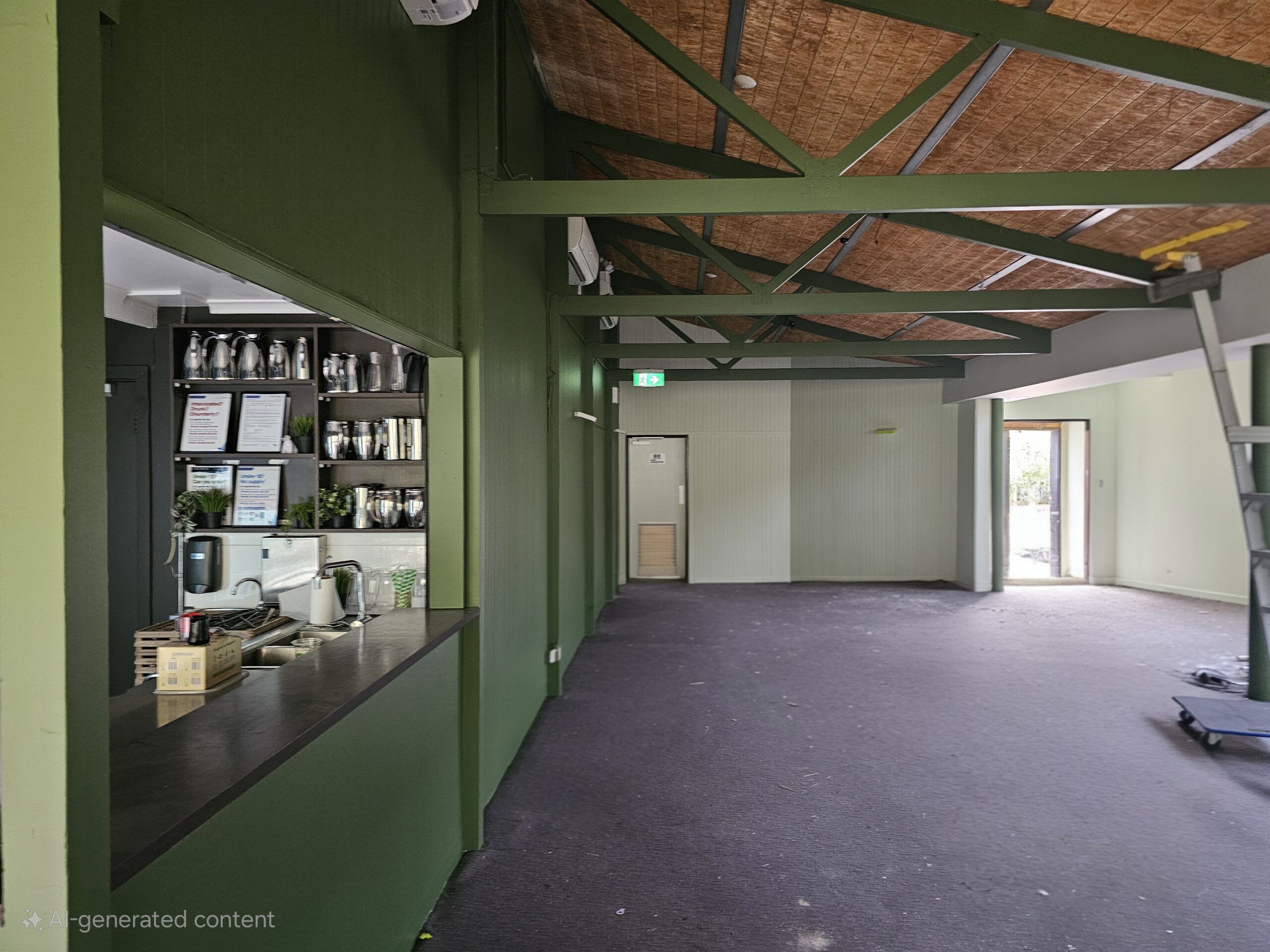
House painting costs in Melbourne depend on property size, surface condition, preparation, paint selection, number of coats, accessibility, labour, and the overall scope of work.
Painting a house can change the appearance of a property while also helping maintain walls, ceilings, timber surfaces, and exterior areas. However, the cost of a painting project can vary considerably from one property to another. There is no single price that applies to every Melbourne home because each property has different surfaces, layouts, preparation requirements, and access conditions.
A useful way to plan a painting project is to understand what contributes to the final cost. The price is not based only on the amount of paint required. Labour, surface preparation, repairs, equipment, paint quality, the number of coats, and the complexity of the property can all affect the total.
Homeowners can also use this information when comparing quotes from painters Melbourne, as a detailed quote should explain what work is included and how the price has been calculated.
What Determines the Cost of Painting a House in Melbourne?
Brief data: The final cost is influenced by the size, condition, accessibility, and painting requirements of the property.
Several factors need to be considered before estimating the cost of a house painting project. A larger property generally requires more materials and labour, but size is only one part of the calculation.
A smaller property can still require considerable work if the walls need extensive preparation, there are many doors and trims, or certain areas are difficult to access.
Property Size
The size of the property directly affects the amount of surface that needs to be painted. A larger home usually contains more walls, ceilings, doors, trims, and exterior surfaces.
More surface area generally means more preparation materials, paint, labour, and working hours. However, the total floor area does not always provide enough information for an accurate painting estimate.
The number of rooms, ceiling height, wall layout, windows, doors, built-in features, and other architectural details can also affect the amount of work involved.
For this reason, professional painters generally need to understand the actual painting scope before providing a final price.
Number of Rooms and Surfaces
The number of rooms being painted can have a significant effect on the project cost.
Each room may require preparation, protection, painting, drying time, inspection, and touch-ups. A project that includes walls only will have a different scope from one that also includes ceilings, doors, skirting boards, architraves, and window frames.
Homeowners should clearly identify which surfaces they want painted when requesting a quote. This helps ensure that different quotes can be compared using a similar scope of work.
Interior or Exterior Painting
Interior and exterior painting have different requirements.
Interior projects can include walls, ceilings, doors, trims, hallways, staircases, and other indoor surfaces. The condition of these surfaces and the number of areas included can affect the labour required.
Exterior painting may involve weatherboard walls, rendered surfaces, fascias, eaves, doors, windows, fences, and other outdoor structures.
Exterior surfaces are exposed to weather, so they may require more cleaning, preparation, repairs, sealing, or priming before new paint is applied.
Surface Condition Can Change the Overall Cost
Brief data: Damaged or poorly maintained surfaces usually require more preparation before a new coating can be applied.
The condition of existing surfaces is one of the most important factors to consider when calculating painting costs.
A clean, smooth wall that is already in reasonable condition may require relatively limited preparation. A wall with peeling paint, cracks, holes, stains, or uneven areas can require additional work before painting begins.
Cleaning
Surfaces may need to be cleaned before painting to remove dust, dirt, grease, residue, or other contaminants.
Clean surfaces provide a better base for paint application and can reduce problems related to adhesion and uneven coverage.
The amount of cleaning required depends on the condition and location of the surface.
Removing Loose Paint
Peeling or flaking paint should generally be dealt with before a new coating is applied.
Loose sections may need to be scraped away so that the remaining surface is stable. This can add preparation time, particularly when a large area has deteriorated.
Sanding
Sanding can help smooth rough or uneven areas and prepare existing coatings for new paint.
It may be required after repairs, around areas where old paint has been removed, or on surfaces where a smoother finish is needed.
Filling Cracks and Holes
Small cracks, nail holes, dents, and other imperfections may need to be filled before painting.
After filling, the repaired areas may need to be sanded so they blend with the surrounding surface. The amount of repair work required can therefore influence both labour and project duration.
Priming
Some surfaces require primer before the finishing coats are applied.
Primer may be useful for repaired areas, porous surfaces, certain stains, new surfaces, or situations where additional adhesion is required.
The need for primer should be discussed before work begins because it can affect both material usage and labour.
Paint Quality and Product Selection
Brief data: Paint products differ in finish, coverage, durability, application requirements, and suitability for particular surfaces.
The type of paint selected can influence the overall project cost.
Interior walls, ceilings, kitchens, bathrooms, timber surfaces, and exterior areas may require different products depending on their intended use and surface characteristics.
Paint selection can depend on:
- Surface type: Different surfaces may require different coating systems to achieve suitable adhesion and coverage.
- Location: Interior and exterior surfaces are exposed to different conditions, so the selected product should be appropriate for its intended environment.
- Finish: Matt, low-sheen, satin, semi-gloss, and other finishes can provide different appearances and practical characteristics.
- Durability: Areas that experience frequent contact or cleaning may require a coating designed for greater durability.
- Colour: The existing colour and selected new colour can influence the number of coats required.
- Coverage: Different products can have different coverage characteristics, which can affect the quantity of paint required.
Homeowners looking for professional painters Melbourne can discuss suitable paint products and finishes as part of the quotation process.
How the Number of Coats Affects Painting Costs
Brief data: Additional coats increase both material requirements and the amount of labour involved.
The number of coats required depends on the existing surface, colour change, paint product, coverage, and desired finish.
A surface that already has a similar colour and good coverage may require a different coating process from one undergoing a substantial colour change.
Very different colours can sometimes require additional coats to achieve an even appearance. Porous surfaces may also require primer or additional preparation.
A painting quote should clearly state the expected coating system so homeowners understand what is included.
Labour and Project Time
Brief data: Labour costs reflect preparation, painting, protection, equipment handling, drying stages, touch-ups, and cleanup.
Painting is not limited to applying paint to walls. A professional project can involve several stages before and after the actual application.
The labour involved may include:
- Preparing surfaces: Cleaning, sanding, scraping, filling, and priming can require considerable working time.
- Protecting areas: Floors, fixtures, furniture, windows, and other surfaces may need to be covered or protected.
- Applying paint: Painters need to work carefully around corners, windows, doors, trims, fixtures, and other features.
- Applying multiple coats: Additional coats require more application time and suitable drying periods.
- Completing touch-ups: Finished areas may need inspection and minor touch-ups before the project is completed.
- Cleaning the work area: Equipment and protective materials need to be removed, while the work area should be left in the agreed condition.
The complexity of the property can therefore have a significant effect on labour requirements.
Accessibility and Property Layout
Brief data: Difficult access can increase the time, equipment, and safety requirements of a painting project.
Some surfaces are straightforward to reach, while others may require additional planning.
High ceilings, stairwells, multi-level properties, narrow spaces, difficult exterior sections, and restricted access points can all make painting more time-consuming.
Exterior work may also require additional equipment depending on the height and location of the surfaces.
Accessibility should therefore be assessed when preparing a quote rather than estimating the project solely from the floor area.
How Preparation Affects the Painting Budget
Brief data: Proper preparation can represent a significant part of the overall painting process and should be included in the project scope.
Preparation provides the foundation for the painting work.
Typical preparation can include:
- Inspecting the surfaces: Existing walls and other surfaces are checked for cracks, peeling coatings, stains, holes, and other issues.
- Cleaning the surfaces: Dirt, dust, grease, and other contaminants are removed where necessary.
- Removing unstable coatings: Loose or peeling paint may need to be scraped away.
- Repairing imperfections: Cracks, holes, dents, and other minor surface problems may require filling or patching.
- Sanding repaired areas: Repaired sections can be sanded to create a more consistent surface.
- Applying primer: Selected areas may require primer before the finishing coats.
- Protecting surrounding areas: Floors, fixtures, furniture, windows, and other areas are protected before painting begins.
The extent of these tasks depends on the condition of the property.
What Should Be Included in a Painting Quote?
Brief data: A detailed quote should explain the painting scope, preparation, materials, labour, coats, and any exclusions.
Homeowners should review a quote carefully before approving a painting project.
Important details include:
- Areas being painted: The quote should identify the rooms, walls, ceilings, doors, trims, or exterior areas included in the project.
- Preparation work: Cleaning, sanding, scraping, filling, patching, and priming should be identified where applicable.
- Number of coats: The quote should state the expected number of coats and whether primer is included.
- Paint products: The type of paint and finish should be specified clearly.
- Repairs: Any included repairs should be described so the homeowner understands their scope.
- Labour: The quote should account for the labour involved in preparation, painting, touch-ups, and related work.
- Equipment: If specialised equipment is required, homeowners should know whether it is included in the quoted price.
- Cleanup: The quotation should clarify what cleanup is included once the painting work is finished.
- Exclusions: Any areas or services not included in the quote should be listed to avoid confusion later.
Comparing quotes based on these details can provide a clearer understanding of the actual value and scope of each proposal.
How to Manage House Painting Costs
Brief data: Clear planning and a well-defined scope can help homeowners avoid unexpected changes to the painting budget.
There are several practical ways to organise a painting project before work starts.
Define the Painting Scope
Decide which rooms, walls, ceilings, doors, trims, exterior areas, or other surfaces need painting.
A clear scope allows the painter to assess the amount of work and prepare a more accurate quotation.
Identify Surface Problems
Inspect the property for visible cracks, peeling paint, stains, holes, damaged surfaces, or other issues.
Discuss these problems with the painter before the quote is finalised so preparation requirements can be considered.
Select Colours Before Work Begins
Finalising colours early can make project planning easier.
Significant colour changes may affect the number of coats required, so colour selection should be discussed with the painting contractor before work begins.
Keep Work Areas Accessible
Painters need sufficient access to the surfaces being prepared and painted.
Removing unnecessary belongings from the work area can make preparation and painting easier and reduce obstacles during the project.
Compare Detailed Quotes
A lower price does not necessarily mean the same scope of work is being offered.
Compare preparation, paint products, coats, repairs, labour, equipment, cleanup, and exclusions before deciding which quote matches your requirements.
Why Professional Surface Preparation Matters
Brief data: The appearance and performance of a new paint coating can depend heavily on the condition and preparation of the surface beneath it.
Painting over dirt, loose coatings, cracks, or poorly prepared areas can affect the finished appearance.
Proper preparation helps create a more suitable surface for the new coating.
This can be particularly relevant for exterior painting because outdoor surfaces are exposed to changing weather conditions.
Homeowners considering painting services Melbourne can ask about the preparation process when discussing their project.
Questions to Ask Before Hiring a Painter
Brief data: Asking detailed questions before work begins can help homeowners understand the proposed scope and avoid misunderstandings.
Before approving a painting quote, homeowners can ask:
- What preparation is included? Confirm whether cleaning, sanding, scraping, filling, patching, and priming are included.
- How many coats are included? Ask how many coats will be applied and whether additional coats would change the quoted price.
- Which surfaces are included? Confirm whether ceilings, doors, trims, windows, walls, and exterior areas are part of the project.
- Which paint products will be used? Ask about the proposed paint type, finish, and suitability for the selected surfaces.
- Are repairs included? Clarify which repairs are included and whether additional repair work would require separate approval.
- What is the estimated timeframe? Ask how long the project is expected to take based on the agreed scope.
- How will furniture and floors be protected? Confirm what protection measures will be used during preparation and painting.
- Is cleanup included? Ask what level of cleanup is included after the painting work is finished.
- Are there any exclusions? Review excluded surfaces, preparation tasks, materials, or services before approving the quote.
5 FAQs About House Painting Costs in Melbourne
1. How much does it cost to paint a house in Melbourne?
The cost varies according to property size, number of rooms, surface condition, preparation requirements, paint selection, number of coats, accessibility, and labour. A detailed assessment of the property is more useful than relying on a single general price.
2. Does the condition of the walls affect painting costs?
Yes. Walls with peeling paint, cracks, holes, stains, or uneven surfaces can require additional preparation before painting. Cleaning, scraping, sanding, filling, patching, and priming can all increase the amount of work required.
3. Is exterior house painting more expensive than interior painting?
The cost depends on the scope of the project. Exterior painting can involve additional preparation, difficult access, specialised equipment, and weather-related scheduling considerations. Interior projects can also become more complex when there are multiple rooms, high ceilings, detailed trims, or extensive preparation requirements.
4. Does changing the colour increase the cost of painting?
A significant colour change can sometimes require additional coats to achieve suitable coverage. The existing colour, new colour, paint product, and condition of the surface can all affect the coating requirements.
5. How can I get an accurate painting quote?
Provide details about the areas you want painted and arrange a property assessment where possible. A detailed quote should explain the surfaces included, preparation, repairs, number of coats, paint products, labour, equipment, cleanup, exclusions, and expected timeframe.
Conclusion
The cost of painting a house in Melbourne depends on the complete scope of the project. Property size is an important consideration, but it is only one part of the calculation. Surface condition, preparation, paint selection, number of coats, accessibility, labour, and the type of painting work can all influence the final price.
Homeowners can make the quotation process easier by identifying the areas they want painted, discussing existing surface problems, selecting colours in advance, and asking for a detailed breakdown of the proposed work.
A clear quotation should explain preparation, materials, coats, labour, equipment, cleanup, and exclusions. This gives homeowners a better understanding of what the quoted price covers and allows different proposals to be compared using similar criteria.
For residential painting projects, homeowners can contact a painting contractor Melbourne to discuss the property, painting requirements, preparation needs, and project scope before work begins.